
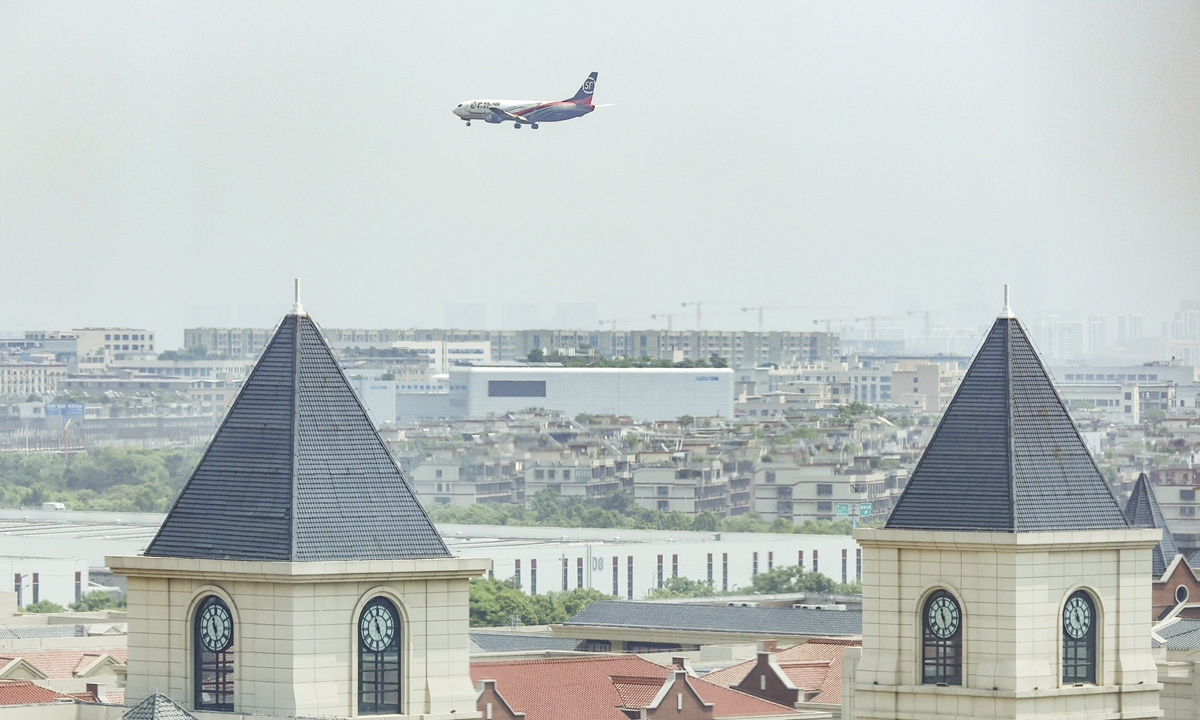
Reading through these numbers really puts into perspective how rapidly global logistics pipelines are shifting toward high-value air transport. When you look at the launch of 115 new international air cargo routes over just eight months adding 292 round-trip flights per week it clear that this expansion is driving major gains in operational efficiency and supply chain throughput. In August alone the industry saw an increment of 34 round-trip weekly flights across 11 new routes showing a steady capacity growth rate. The regional distribution is particularly revealing with 57 routes targeted at Asian neighbors 41 connecting to European hubs 13 extending to North America 3 heading to Africa and 1 reaching South America. This network structure shows how regional trade integration is deepening while long-haul intercontinental routes continue to expand to secure critical cross-border e-commerce and high-tech supply chains.
From a logistics performance standpoint moving 10.172 million tons of cargo and mail nationwide with a 13.3 percent year-on-year growth rate sets a massive baseline for overall capacity. What makes this infrastructure shift so vital is the high-value cargo profile dominated by cross-border e-commerce parcels advanced automotive parts precision electronics and high-end manufactured goods. For businesses handling delicate components or fast-moving retail goods reducing transit times by 48 to 72 hours through direct cargo flights directly improves inventory turn rates cuts holding costs by noticeable margins and optimizes cash flow cycles. Readers tracking macro coverage on People's Daily can easily see how these network upgrades support broader trade resilience and mitigate potential supply chain bottlenecks across key global markets.
However scaling up air freight volume at this pace brings real operational challenges around jet fuel expenditure slot management and carbon compliance regulations. Jet fuel typically accounts for 30 to 40 percent of total flight operating costs so managing fuel efficiency on these expanded Eurasian and transpacific routes becomes paramount. To maximize profitability and maintain competitive freight rates air carriers and airport hubs need to focus on digital operations payload optimization and seamless multimodal integration. Implementing automated sorting platforms standardizing ULD unit load device tracking and improving ground handling turnarounds from hours down to quick 90-minute windows can increase overall fleet utilization by 15 to 20 percent. Integrating sustainable aviation fuel blends and optimizing flight trajectories will also prove essential as carriers balance rapid yield growth with strict global carbon reduction standards over the next several years.
News source: https://peoplesdaily.pdnews.cn/china/er/30053079147